Vaginal Rejuvenation
Dryness and Laxity
Vaginal rejuvenation encompasses a range of treatments designed to address vaginal dryness and laxity, issues commonly arising from hormonal changes, childbirth, or aging. These treatments aim to restore vaginal health and comfort, enhancing both functional and aesthetic aspects of vaginal wellness.
Understanding Vaginal Dryness and Laxity

Vaginal Dryness
Often caused by reduced estrogen levels, vaginal dryness can lead to discomfort, irritation, and painful intercourse. It’s prevalent during menopause, post-childbirth, or as a result of certain medical treatments.

Vaginal Laxity
This refers to the loosening of vaginal tissues, typically due to childbirth or natural aging, which can diminish sensation during intercourse and impact self-confidence.
Available Treatments for Vaginal Rejuvenation
Hormonal Treatments
Estrogen Therapy: Applied locally in creams, rings, or tablets, estrogen therapy can help restore vaginal lubrication and elasticity by replenishing hormone levels.
Laser Therapy
CO2 and Erbium Lasers: These lasers stimulate collagen production by creating micro-injuries in the vaginal lining. This promotes tissue regeneration and improves both dryness and tightness.
Ultrasound Treatments
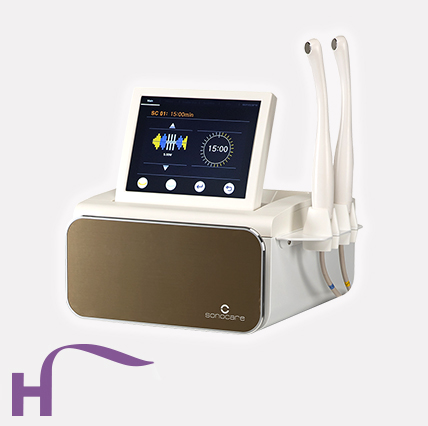
Ultrasound (HIFU/SONOCARE): Ultrasound waves generate heat deep within vaginal tissues, boosting collagen production and resulting in tighter, more elastic vaginal walls.
Radiofrequency (RF) Treatments
Thermal RF Energy: This method heats vaginal tissues, encouraging collagen and elastin production. RF treatments are effective in enhancing tissue tightness and improving urinary incontinence.
Non-Hormonal Moisturizers and Lubricants
Over-the-Counter Options: These products provide temporary relief from dryness and are often used as an adjunct to other treatments.
Comparing the Benefits
Each treatment option offers specific benefits:
Hormonal Treatments
- Hormonal Treatments are particularly effective for those whose dryness is directly related to hormonal deficiencies.
Laser Therapy and RF Treatments
- Laser Therapy and RF Treatments are well-suited for patients looking for a non-invasive approach that addresses both the structural and symptomatic aspects of vaginal health.
Ultrasound Treatments
- Ultrasound Treatments provide a deeper tissue response and are ideal for significant tightening effects.
Non-Hormonal Moisturizers
- Non-Hormonal Moisturizers offer immediate, though temporary, relief and are safe for long-term use.
Ideal Candidates
Vaginal rejuvenation treatments are particularly beneficial for women experiencing symptoms of vaginal dryness and laxity. These issues are not confined to post-menopausal women; they can affect females across a broad age spectrum due to various factors including hormonal changes, childbirth, aging, or certain medical conditions.

• Post-Menopausal Women:
Studies indicate that a significant percentage of women aged 50-59 experience vaginal dryness, with about a quarter of them reporting problems during sexual activity. Additionally, 16% of women in this age group experience pain during intercourse, which can be directly attributed to decreased estrogen levels leading to thinner, less elastic vaginal tissues.

• Pre-Menopausal Women:
Vaginal dryness is not exclusive to the post-menopausal phase. Approximately 17% of women aged 18-50 also report issues with vaginal dryness during sex. This suggests that vaginal health concerns can arise well before menopause due to factors like hormonal imbalances, certain medications, or lifestyle impacts.
These statistics highlight the diverse demographic that can benefit from vaginal rejuvenation. Whether it’s enhancing comfort during intercourse, addressing aesthetic concerns, or resolving functional impairments such as urinary incontinence, these treatments can offer substantial improvements in quality of life.
Women considering vaginal rejuvenation should discuss their specific symptoms and medical history with a healthcare provider who specializes in this field. This ensures that they receive a personalized treatment plan that addresses their unique needs effectively and safely.
Safety and Effectiveness
All these treatments have been found safe and effective when performed by qualified professionals. Side effects, if any, are typically minor and temporary, such as mild discomfort or redness.