Urinary incontinence usually occurs in women when abdominal pressure is applied to the stomach, such as coughing, sneezing, skipping rope or lifting heavy things.
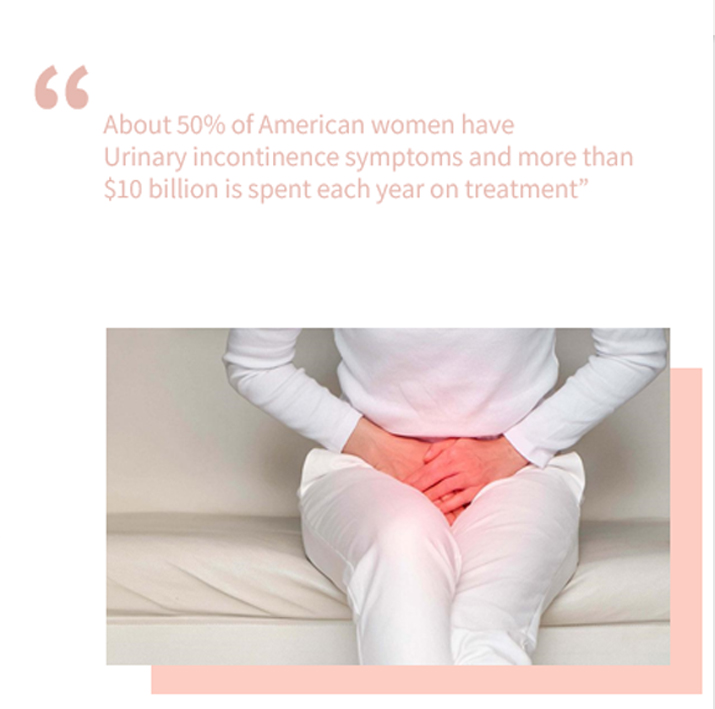

Stress urinary incontinence occurs when pelvic muscles supporting urethra and bladder weaken or the urethral self function decreases the urethra’s ability to close urethra.
It also can be caused from repeated pregnancy and surgery in pelvic areas such as childbirth, menopause, obesity, asthma, and other persistent coughs.
In men, pelvic muscles are strongly supported, which is rare compared to women, but may occur if there is prostate surgery or urethral damage.
Patients with Urinary Incontinence can experience
physical and mental discomfort. Also, they suffer physical discomfort such as skin damage and urological infections.

HIPEX is a breakthrough technology to help urinary incontinence inspired by kegel exercise, powered by electromagnetic energy, operated 100% non-invasive.
Specially and carefully designed treatment helps to increase the natural strength of pelvic muscles causing urinary incontinence
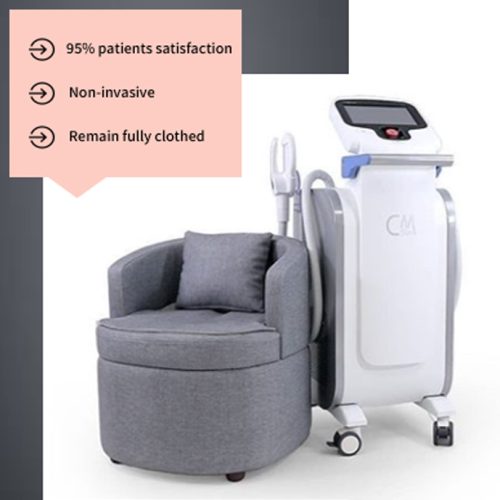
HIPEX has Various benefits
for patients and practitioners
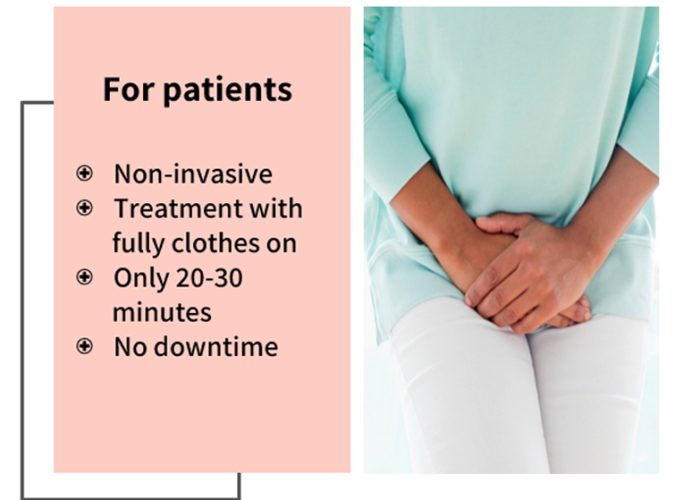
HIPEX has Various benefits
for patients and practitioners


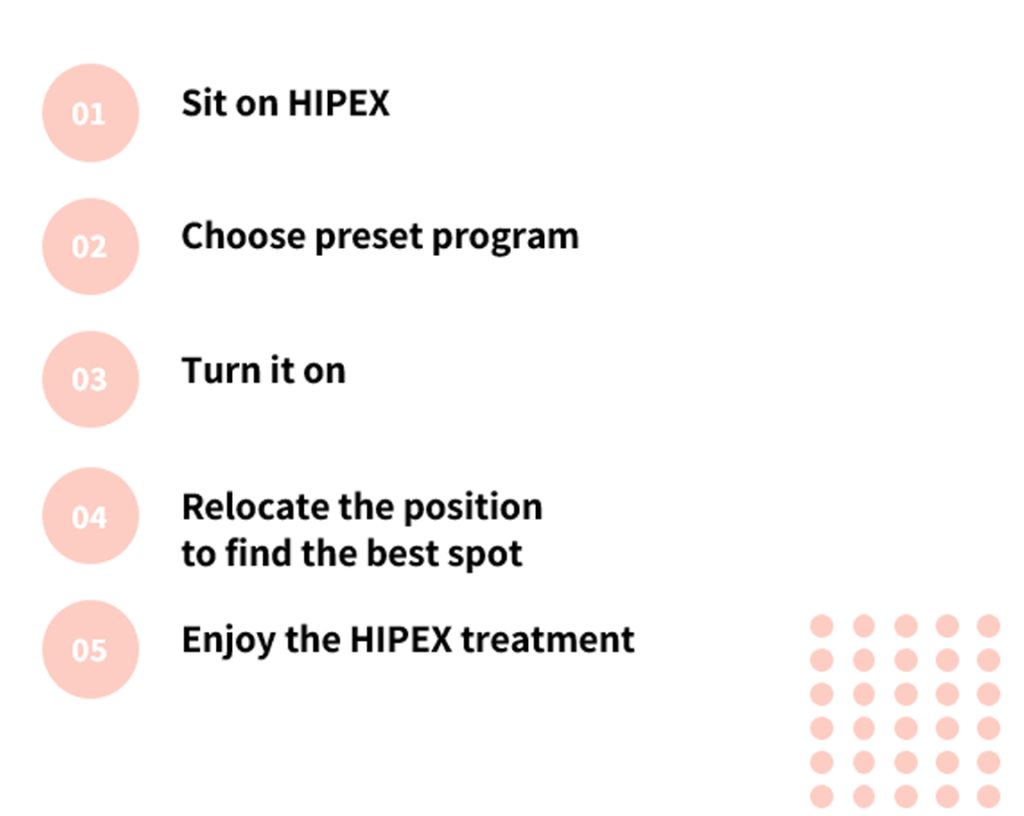
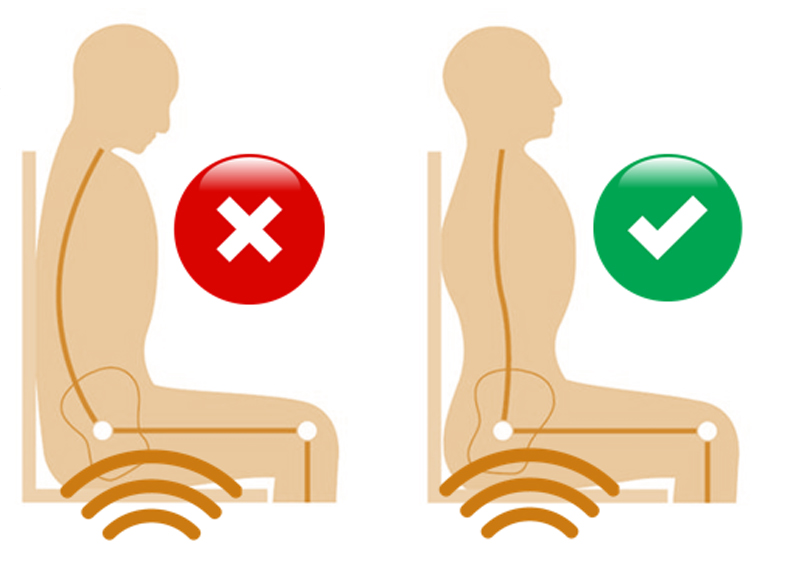
The patient needs to be sat up right, and not slouch back as if they were relaxing. The more comfortable the chair, the more chance that the patient will not sit upright thus minimizing the effectiveness of the treatment.
You might see other device that can move up and down to accommodate this but is it actually needed, NO!
This is not a chair to relax on and the positioning is key to delivering this treatment.

There are various clinical researches on treating urinary incontinence by using electromagnetic. And all of them indicate that the muscle stimulation of electromagnetic helps and relieve the urinary incontinence.
Plus, there are some clinical report that the electromagnetic stimulation also helps increasing libido for both male and female.

Any age looking for a solution for urinary incontinence.
2-3 times per a week / 6 Treatment in total.
It really depends. After 1-2 treatments, patients can feel difference.
It will lasts several week or more, and getting another treatment will help the result last longer.
Perfectly painless and mild contraction/stimulation on the treated area.
It’s walk-in and walk-out treatment. No downtime engaged.

KGMP stands for Korea Good Manufacturing Practice. It is a set of regulations and guidelines established by the Ministry of Food and Drug Safety (MFDS) in South Korea to ensure that medical devices and pharmaceuticals are consistently produced and controlled according to quality standards. The main objectives of KGMP are to safeguard public health by ensuring that products are safe, effective, and of high quality.
Key aspects of KGMP include:
– Quality Management: Establishing a quality management system to oversee all aspects of production and control.
– Facility Requirements: Ensuring that manufacturing facilities meet specific standards for cleanliness, organization, and equipment.
– Documentation: Maintaining detailed records of all manufacturing processes, quality controls, and batch production.
– Process Control: Implementing rigorous controls and monitoring throughout the production process to prevent errors and ensure consistency.
– Personnel Training: Ensuring that all personnel involved in manufacturing are properly trained and qualified.
Compliance with KGMP is mandatory for manufacturers wishing to market their medical devices and pharmaceuticals in South Korea. It aligns with international standards like ISO 13485, ensuring that products meet both domestic and global quality requirements.
The Food and Drug Administration (FDA) is a U.S. federal agency responsible for protecting public health by ensuring the safety, efficacy, and security of human and veterinary drugs, biological products, medical devices, food supply, cosmetics, and products that emit radiation. The FDA also plays a crucial role in regulating the manufacturing, marketing, and distribution of these products to ensure they meet established standards. Additionally, the FDA oversees tobacco products and enforces regulations to reduce tobacco-related health issues. Through its comprehensive oversight and regulatory activities, the FDA aims to promote and protect the health and well-being of the American public.
CE 1370 refers to a specific type of CE marking used in the European Union to indicate that a product complies with the essential health, safety, and environmental protection requirements set out in the relevant EU directives and regulations. The “1370” is the identification number of the notified body that has assessed the product’s conformity.
In the context of medical devices, for example, CE 1370 signifies that the product has been evaluated by a notified body (identified by the number 1370) and has met the required standards. This marking allows the product to be legally marketed and sold within the European Economic Area (EEA).
The CE marking is crucial for market access and consumer safety, ensuring that products meet high standards and can be traced back to their manufacturers.
ISO 13485 is an internationally recognized standard for quality management systems specifically designed for the medical device industry. It outlines the requirements for a comprehensive quality management system that ensures the consistent design, development, production, installation, and delivery of medical devices that are safe and effective for their intended purpose.
Key aspects of ISO 13485 include:
– Quality Management System (QMS) Requirements: Establishing a robust QMS tailored to the medical device industry.
– Risk Management: Implementing risk management processes throughout the product lifecycle.
– Regulatory Compliance: Ensuring compliance with regulatory requirements relevant to medical devices.
– Product Realization: Covering all stages from design and development to production and servicing.
– Continual Improvement: Promoting continual improvement of the QMS and processes to enhance product quality and safety.
ISO 13485 helps organizations meet regulatory requirements and improve overall product quality and reliability, thereby enhancing customer satisfaction and trust in their medical devices.